Infrastructure
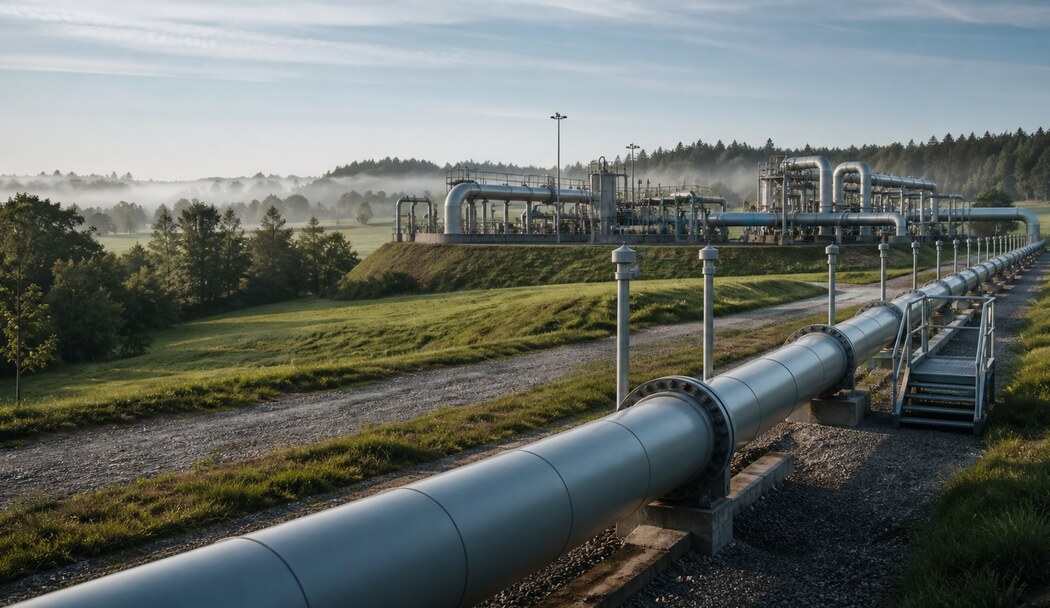
Pipeline blending limits, materials and conversion questions
A blend percentage is a starting point, not a complete engineering answer. The network, meter, appliance and customer use must be read together.
Section desk
Stations, pipelines, storage and safety questions that decide whether a system works beyond the diagram. Read the WHEC Hydrogen explainers and follow each question into the wider system.
05 explainers
A measured, practical starting point.
This desk connects equipment, operating conditions and decisions. Each explainer starts with a clear boundary, names the trade-off that matters and points to another part of the system so a reader can keep testing the idea.
Infrastructure
A blend percentage is a starting point, not a complete engineering answer. The network, meter, appliance and customer use must be read together.
Infrastructure
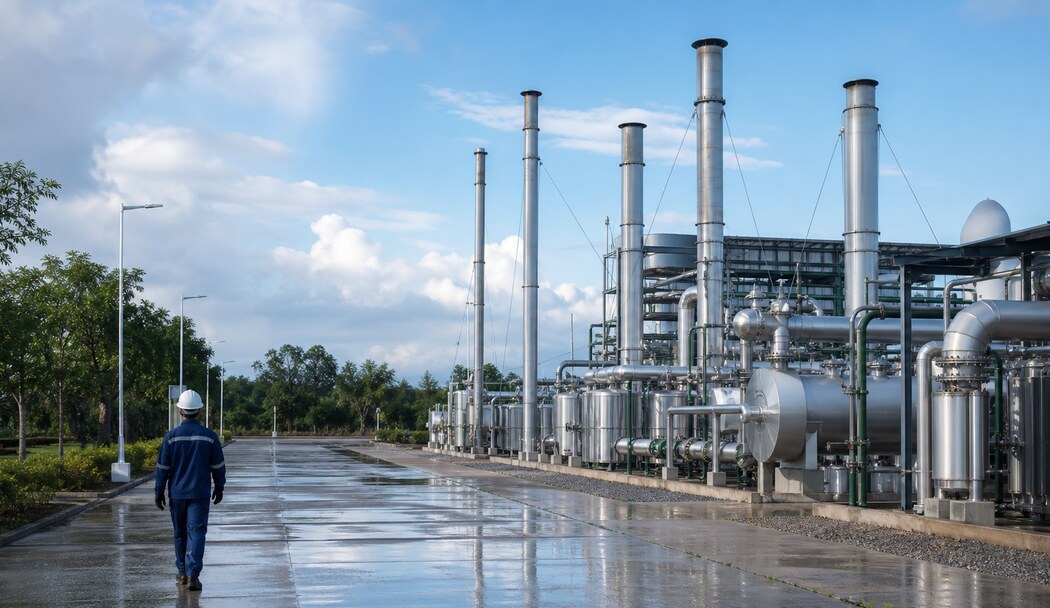
Safety planning is a chain of controls and communication. Codes, physical layout, detection and response need to agree before a site opens.
Infrastructure
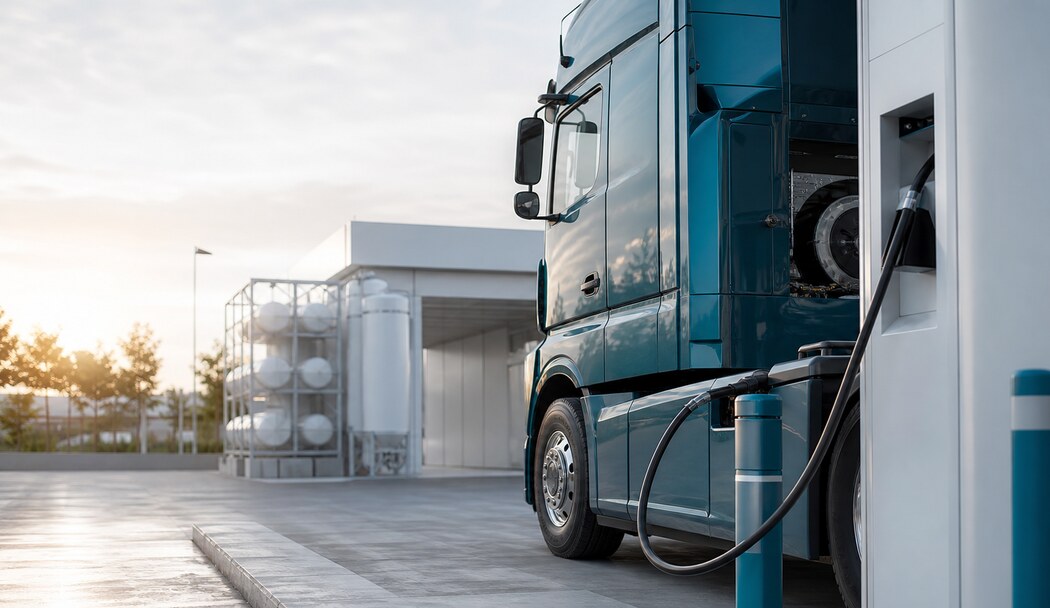
A hydrogen fueling station and an in-flight fuel transfer both depend on an interface that must connect two systems, hold a controlled pressure and follow a fixed sequence before any fluid moves. In both cases the hardware is only half the problem: the coupling, the pressure schedule and the trained crew decide whether the transfer is safe and repeatable. The comparison is useful because aerial refueling has been standardised and documented for decades, and that documentation shows what a hydrogen station still has to formalise.
Infrastructure
The distribuidora owns and operates the physical grid in a given area, while the comercializadora is the company that bills the customer for the energy supplied. A household or small business in Spain cannot choose its distribuidora, but it can choose its comercializadora. The smart meter belongs to the distribuidora, and the readings it records are the basis for the invoice issued by the comercializadora.
Infrastructure
A fishing fleet consumes most of its energy as marine gas oil burned in diesel engines, and the total depends on vessel size, gear type and how far the boat steams to fishing grounds. Substitution is technically possible in several forms, but the discussion is inseparable from what the gear does once it is in the water, including the bycatch questions raised by pelagic trawling.