Green Hydrogen
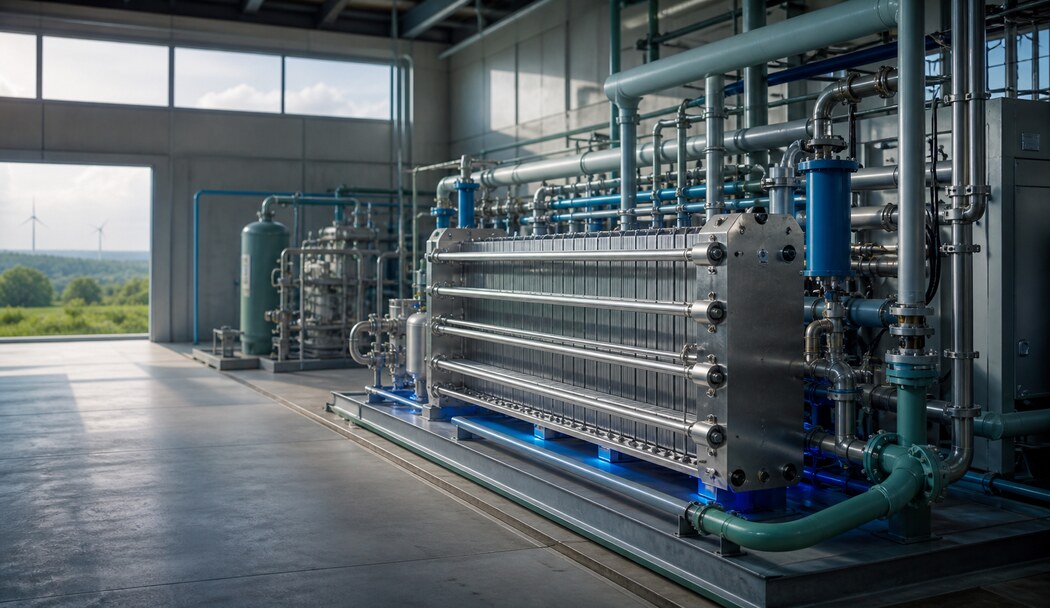
Electrolyzer efficiency metrics from kWh to levelized cost
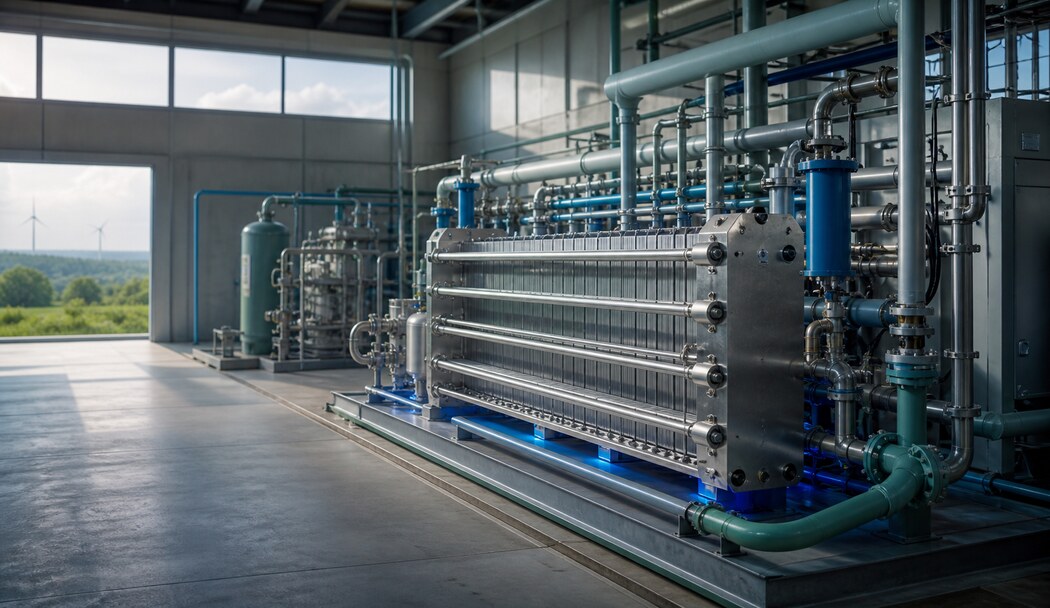
Efficiency is not one number. It is a chain from electricity input to usable hydrogen, shaped by loading, balance of plant and replacement timing.
The hydrogen systems desk
Technical clarity for production, infrastructure, fuel cells and hydrogen markets.
Navigate the system
The latest desk notes
Updated August 24, 2026
Green Hydrogen
Efficiency is not one number. It is a chain from electricity input to usable hydrogen, shaped by loading, balance of plant and replacement timing.
Green Hydrogen
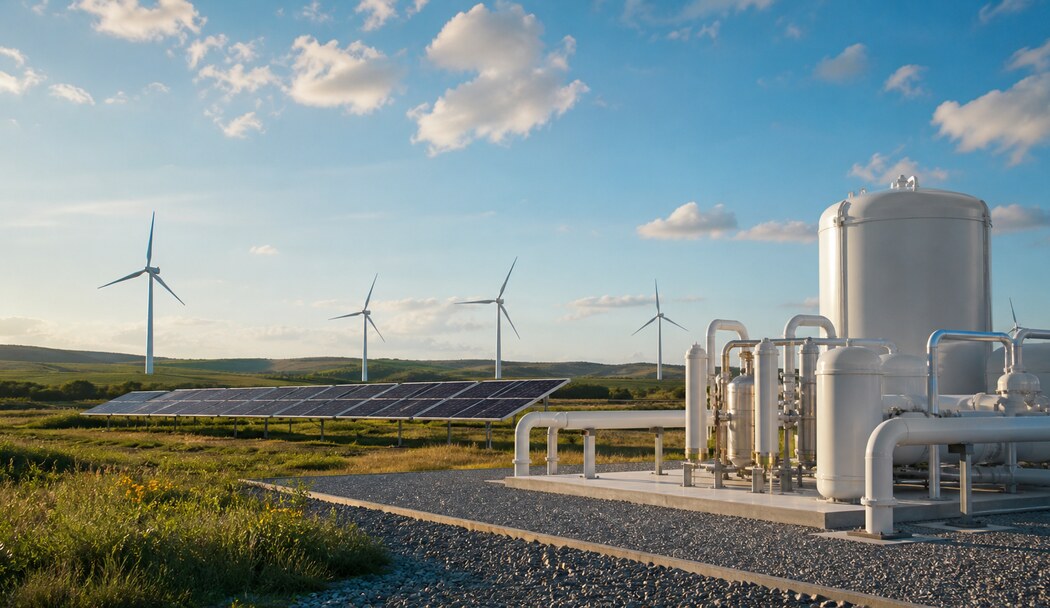
The quality of a renewable supply is a time series, not a label. Matching the supply to the electrolyzer reveals the operating decisions a project must make.
Fuel Cells
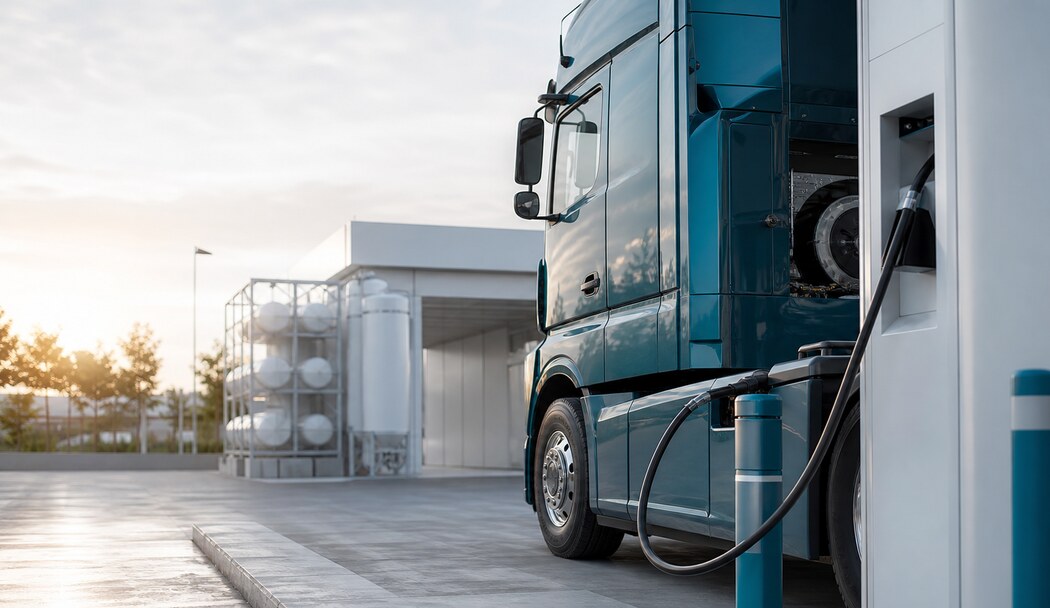
Refueling speed is only one part of a fleet decision. The useful comparison connects route, payload, dwell time, station design and seasonal conditions.
Fuel Cells
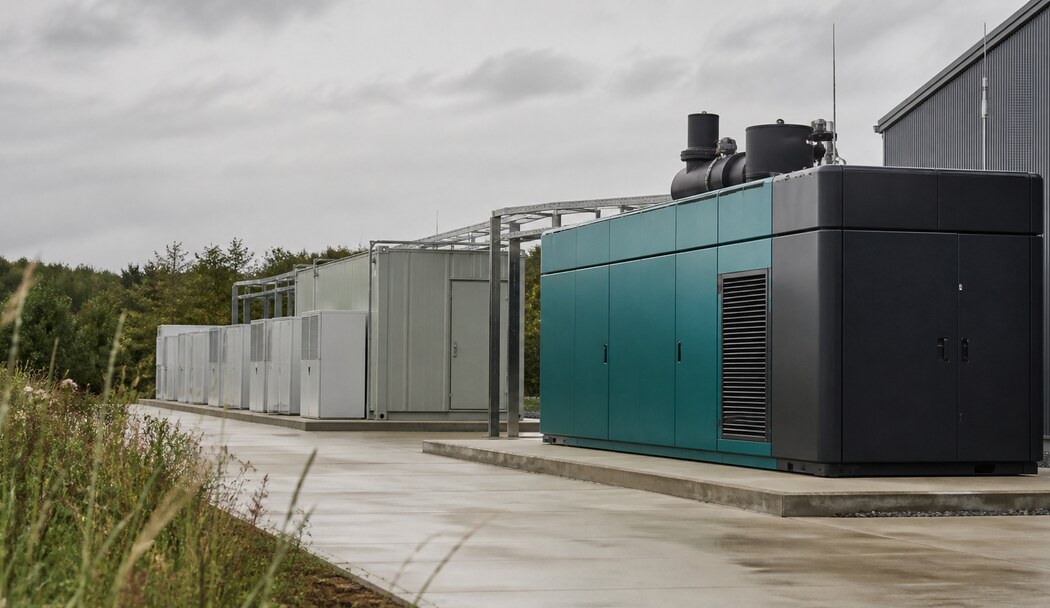
A backup system earns its place through availability and recovery, not nameplate output alone. Load shape and fuel logistics are the starting point.
Infrastructure
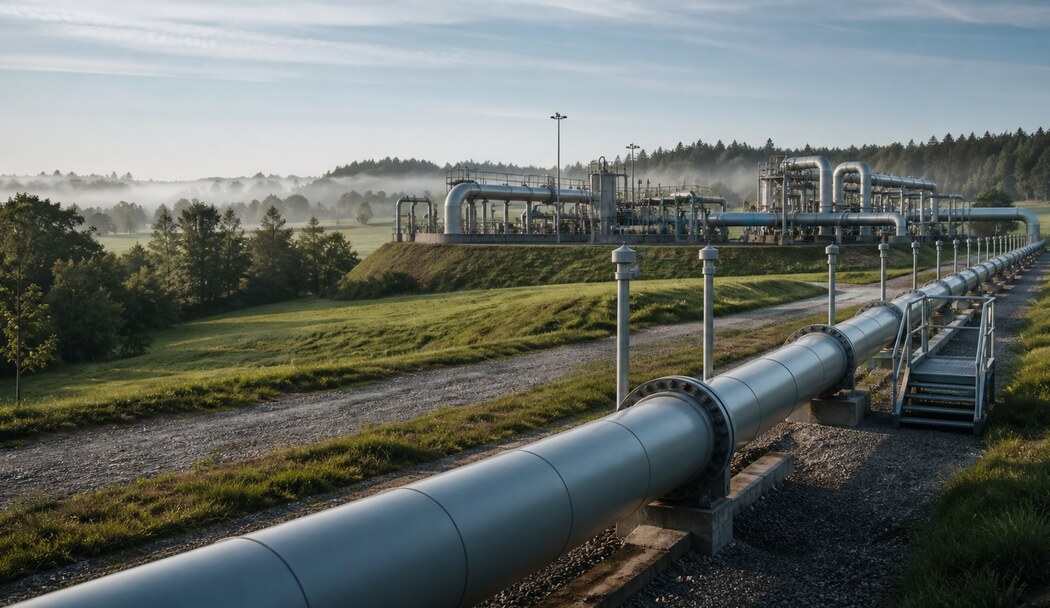
A blend percentage is a starting point, not a complete engineering answer. The network, meter, appliance and customer use must be read together.
Infrastructure
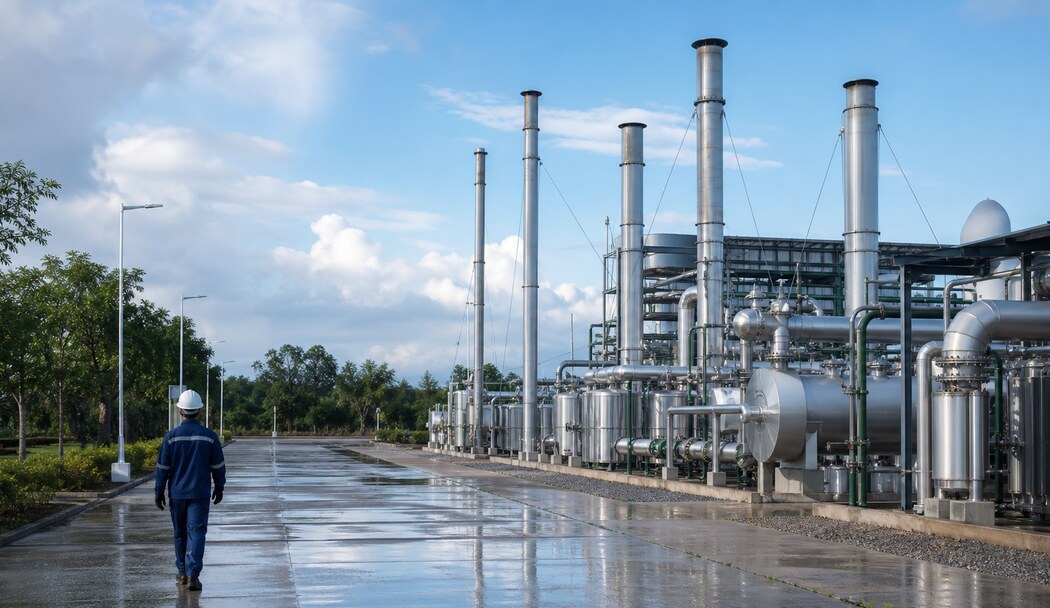
Safety planning is a chain of controls and communication. Codes, physical layout, detection and response need to agree before a site opens.
Policy & Markets
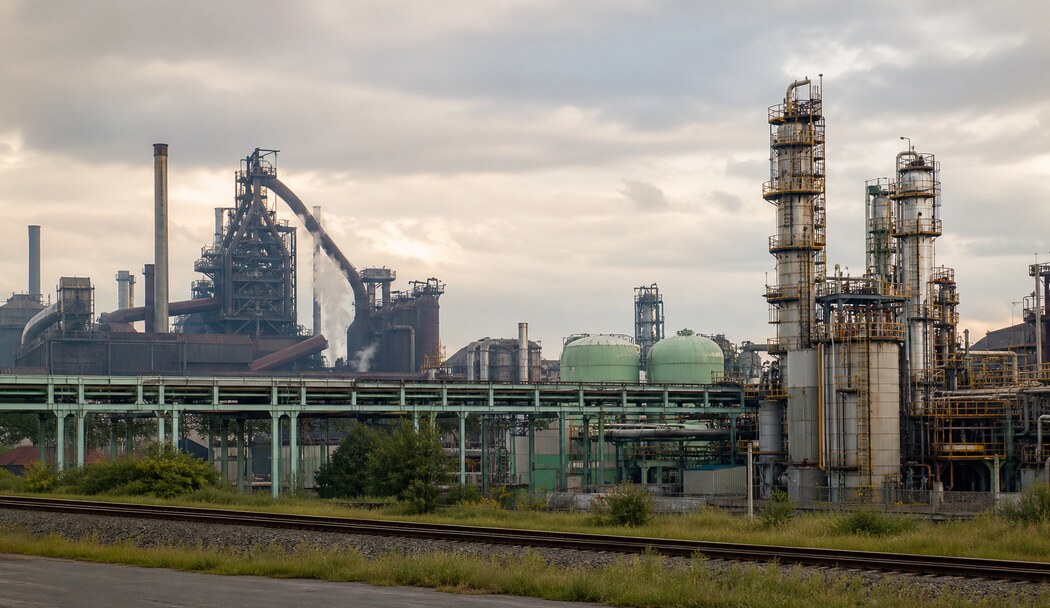
A demand cluster is more than a list of customers. It is a shared system of volume, timing, infrastructure, quality and risk.
Policy & Markets
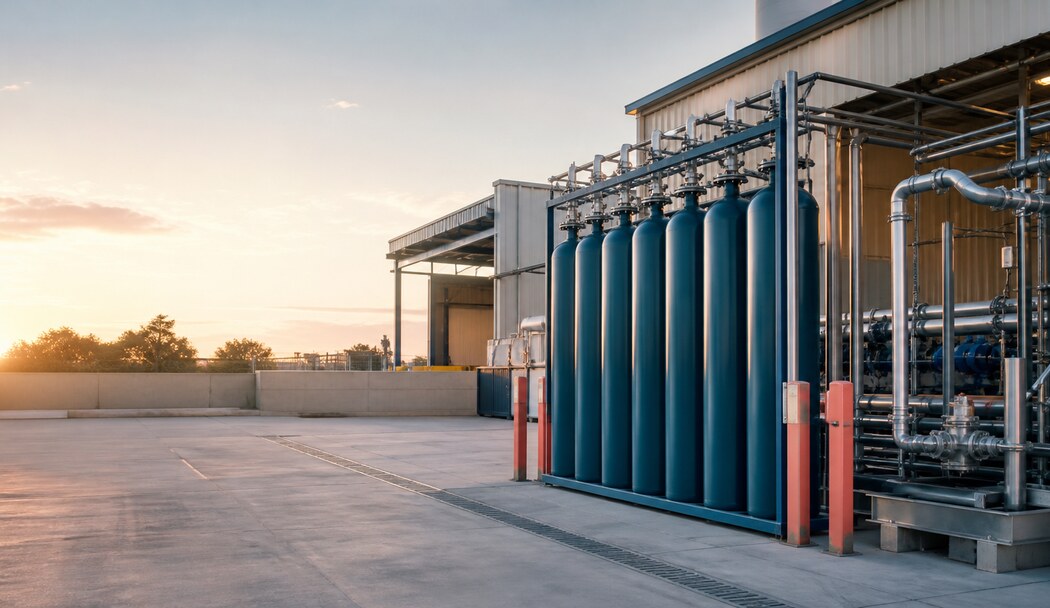
Bankability lives in the details that connect a product promise to delivery, measurement, certification and remedies when conditions change.
Infrastructure
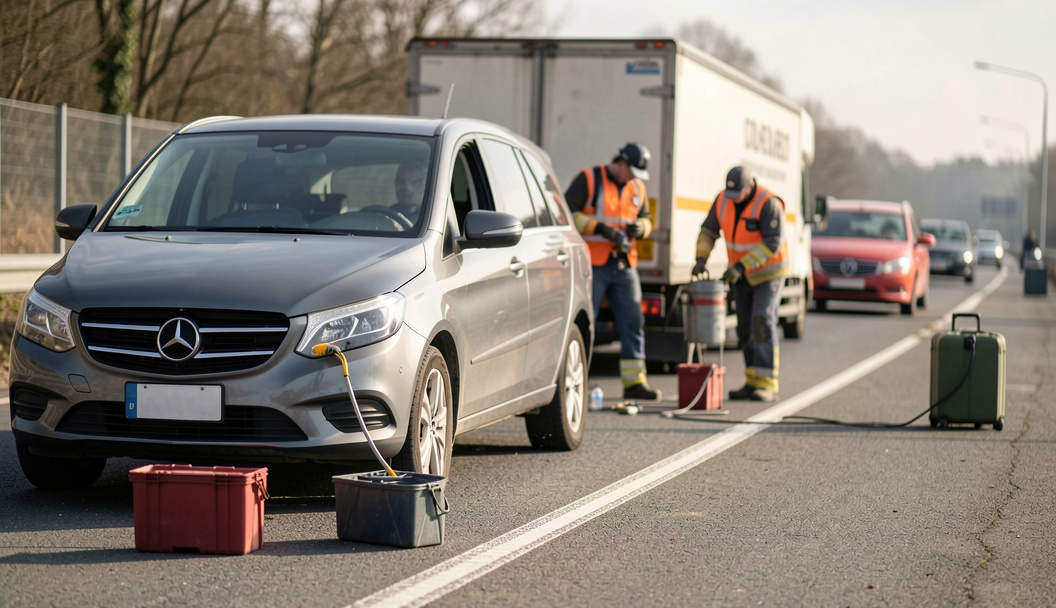
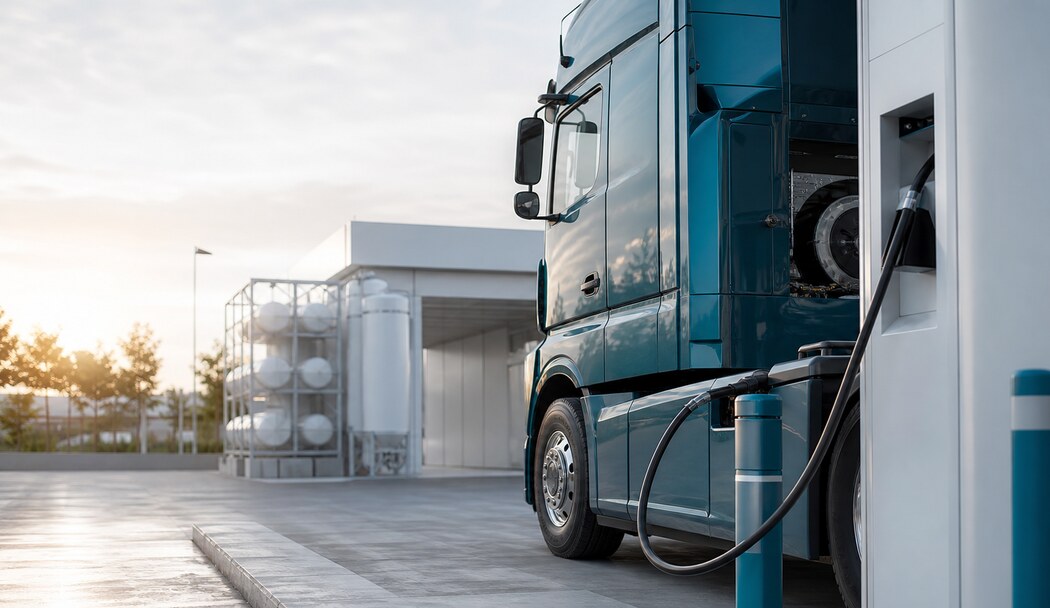
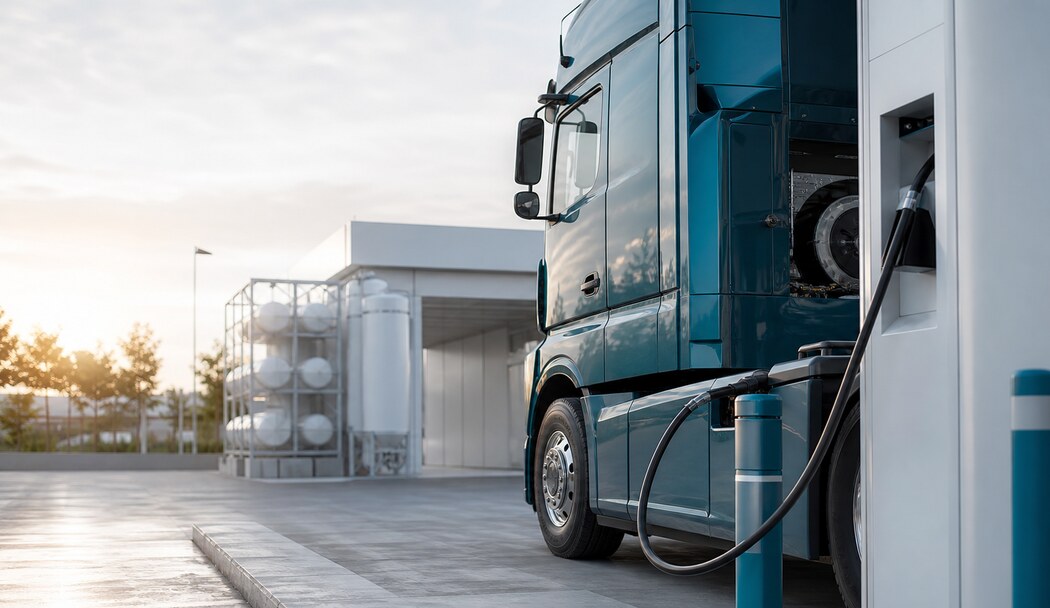
A hydrogen fueling station and an in-flight fuel transfer both depend on an interface that must connect two systems, hold a controlled pressure and follow a fixed sequence before any fluid moves. In both cases the hardware is only half the problem: the coupling, the pressure schedule and the trained crew decide whether the transfer is safe and repeatable. The comparison is useful because aerial refueling has been standardised and documented for decades, and that documentation shows what a hydrogen station still has to formalise.
Green Hydrogen
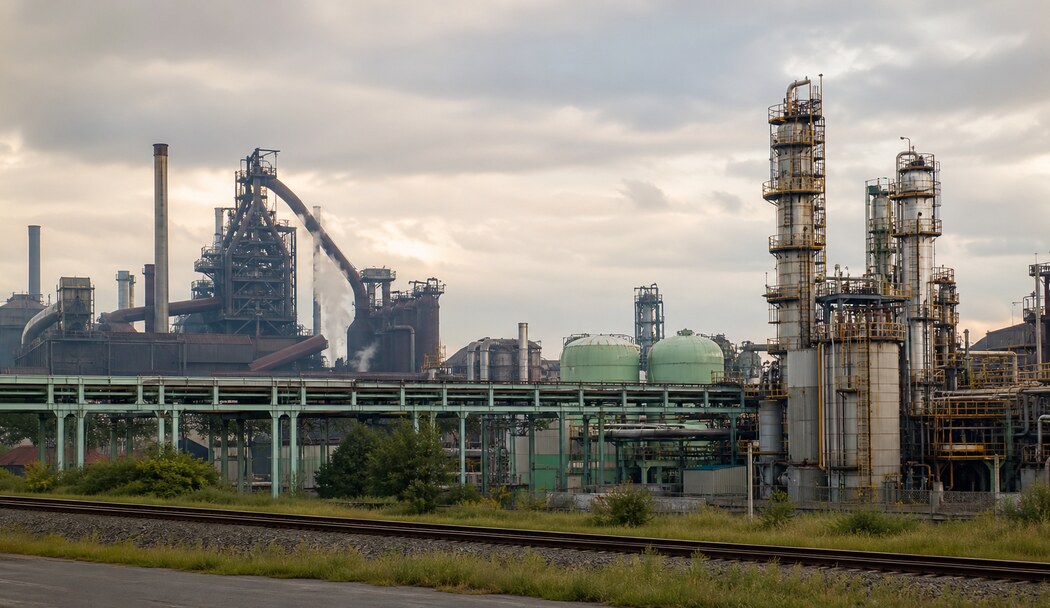
How switching fuel in a forge changes fire, heat treatment and metal behaviour, and what industrial process heat decarbonisation means for shops.
Green Hydrogen
A hydrogen project that sits near a mine, a concentrator or a legacy impoundment shares one resource with it: water, and the documents that describe where that water goes. Reading a tailings management plan is therefore not a courtesy to the neighbour. It is a way to check transport assumptions, recovered water volumes and the governance chain that a hydrogen site will also be asked to document. The vocabulary matters first: what a plan calls thickened tailings, paste or filtered tailings changes what is being claimed about water and about the deposit itself.
Policy & Markets
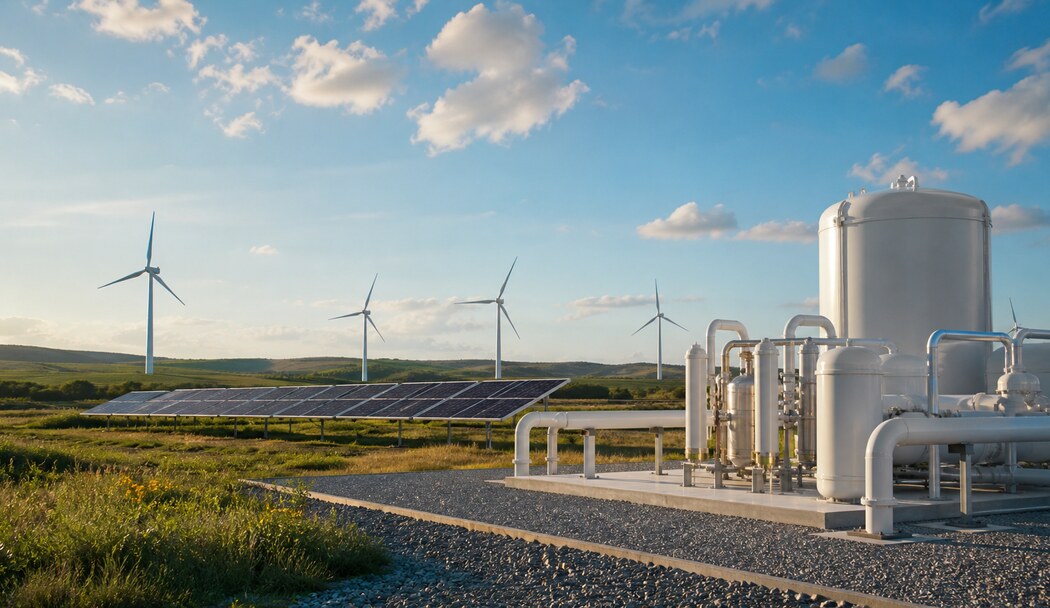
Odisha's Industrial Policy Resolution 2022 combines capital subsidies, interest support, stamp duty and electricity duty exemptions with a single-window approval system called GO SWIFT. For an industrial project, the practical effect is that siting decisions turn on two things: the value of the incentive package and the time and cost of clearing approvals. A hydrogen project evaluating a coastal site in Odisha would read the policy the same way it reads any state industrial framework, as a set of cash flows and a schedule of permits.
Infrastructure
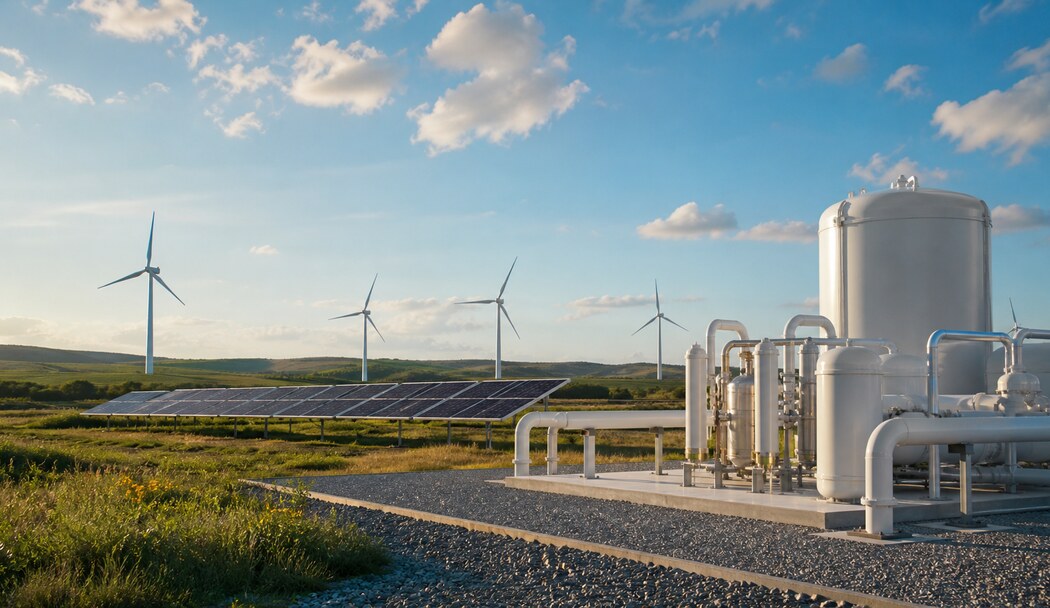
The distribuidora owns and operates the physical grid in a given area, while the comercializadora is the company that bills the customer for the energy supplied. A household or small business in Spain cannot choose its distribuidora, but it can choose its comercializadora. The smart meter belongs to the distribuidora, and the readings it records are the basis for the invoice issued by the comercializadora.
Infrastructure
A fishing fleet consumes most of its energy as marine gas oil burned in diesel engines, and the total depends on vessel size, gear type and how far the boat steams to fishing grounds. Substitution is technically possible in several forms, but the discussion is inseparable from what the gear does once it is in the water, including the bycatch questions raised by pelagic trawling.

Infrastructure
A fishing fleet consumes most of its energy as marine gas oil burned in diesel engines, and the total depends on vessel size, gear type and how far the boat steams to fishing grounds. Substitution is technically possible in several forms, but the discussion is inseparable from what the gear does once it is in the water, including the bycatch questions raised by pelagic trawling.
How the desk works
Learn who makes the publication, how corrections work, how commercial relationships are labelled and how to reach the desk.
About WHEC Hydrogen · Editorial policy · Sponsored content · Privacy · Legal notice · Contact
Off the hydrogen desk
Hydrogen is one thread in a much wider energy conversation. These independent French-language publications cover the everyday end of it, and the desk reads them for that reason.